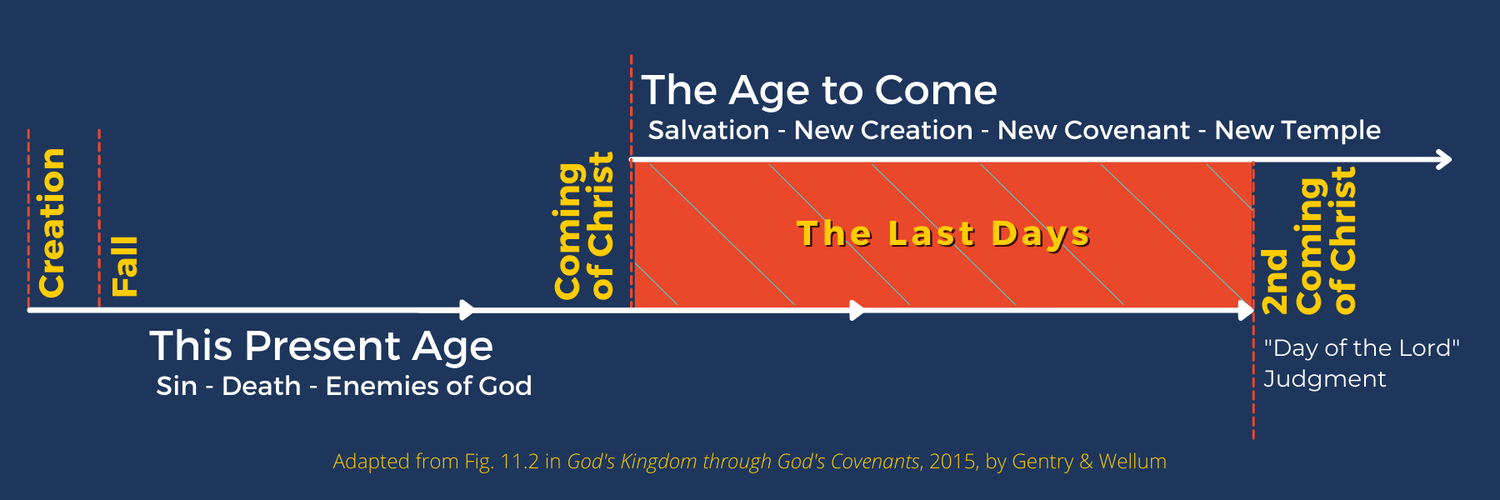
The New Testament speaks of the coming age—the time when God’s redemptive plan reaches its climax—in a variety of rich and interconnected terms. While each highlights a different aspect, they all point toward the same hope: the visible, physical, and glorious reign of the Messiah, the resurrection of the dead, the restoration of all things, and the fulfillment of the promises made to Israel and the nations. The purpose of this paper is to provide a short summary of some of the primary ways the age to come is described throughout Scripture.
The Kingdom of Israel
- Acts 1:6–7: “Lord, will you at this time restore the kingdom to Israel?”
- Luke 1:32–33: “The Lord God will give him the throne of his father David… he will reign over the house of Jacob forever…”
- Matthew 19:28: “…you who have followed me will also sit on twelve thrones, judging the twelve tribes of Israel.”
The restored Kingdom of Israel is the ultimate fulfillment of God’s covenant promises to Abraham and David. Jesus did not correct the apostles’ expectation of a future national restoration—He only deferred the timing. This term encapsulates the messianic hope: a united, redeemed Israel under the reign of the Davidic King, Jesus the Messiah.
The Age to Come
- Matthew 12:32: “…either in this age or in the age to come.”
- Luke 18:30: “…and in the age to come, eternal life.”
This is the most direct phrase used to distinguish the future era from the present evil age.
That Coming Age
• Luke 20:35: “…those who are considered worthy to attain to that age and to the resurrection of the dead…”
A phrase tied specifically to resurrection and transformation, clearly future-oriented.
Eternal Life (Literally, “life of the age”)
• John 3:16, Titus 1:2, 1 John 2:25
“Eternal life” in the New Testament is not primarily about an ethereal post-death experience, but the bodily, everlasting life of the Age to Come—resurrection life in the renewed creation.
The Kingdom of God / Kingdom of Heaven
• Luke 22:18, Matthew 25:34, Mark 10:30
The central hope of Jesus’ message: the arrival of God’s reign on earth through His Messiah, with justice, resurrection, and restoration.
The Resurrection from the Dead
- John 5:28–29, 1 Corinthians 15:22–23, Luke 14:14, Acts 24:15
The bodily resurrection marks the transition to the Age to Come. Without resurrection, there is no consummation of the kingdom. The Last Day
- John 6:39–40, John 11:24
Jesus repeatedly locates the resurrection and judgment “on the last day,” not scattered throughout history but as a climactic event.
The Day of the Lord / That Day
• 2 Thessalonians 1:10, 1 Corinthians 1:8, 2 Peter 3:10
This is the day of divine intervention—when Christ returns, defeats His enemies, raises the dead, and establishes His kingdom.
The Regeneration (παλινγενεσία / Palingenesia)
- Matthew 19:28: “…in the regeneration, when the Son of Man will sit on his glorious throne…”
- Titus 3:5 refers to personal renewal, but in Matthew it points to cosmic renewal, especially in connection with Israel’s restoration.
The Restoration of All Things
• Acts 3:21 – “…until the time for restoring all things…”
The Age to Come is when everything broken by sin—creation, Israel, humanity—is restored.
This language evokes the prophets (e.g. Isaiah 65–66).
The Hope of Glory
• Colossians 1:27, Romans 5:2
The “glory” hoped for is the visible reign of Christ, the transformation of the body, and participation in the kingdom.
The World to Come
- Hebrews 2:5: “…the world to come, about which we are speaking.”
- Hebrews 6:5: “…tasted the powers of the age to come.”
Not merely “heaven,” but the renewed world under Christ’s reign.
The Inheritance
- 1 Peter 1:4, Colossians 3:24, Hebrews 9:15
The Age to Come is the time of receiving our full inheritance: land, kingdom, life, and reign with Messiah.
The Heavenly Country / The City to Come
- Hebrews 11:16, Hebrews 13:14, Revelation 21:2
This is not a rejection of earth, but its transformation. The New Jerusalem comes down, and Abraham’s hope was rooted in a future physical homeland.
The Crown of Life / Righteousness / Glory
- 2 Timothy 4:8, James 1:12, 1 Peter 5:4
These symbols point to reward and vindication in the coming kingdom.
The Marriage Supper of the Lamb
• Revelation 19:7–9
A celebratory picture of the Messiah’s union with His people in the consummation of the kingdom.
The Day of Redemption
• Ephesians 4:30, Romans 8:23
Refers to the future completion of our salvation—especially the redemption of our physical bodies.
The Revelation / Appearing of Jesus Christ
• 1 Peter 1:13, 2 Timothy 4:1, 8, Titus 2:13
Jesus’ visible, bodily return is the doorway to the Age to Come.
The New Heavens and New Earth
• 2 Peter 3:13, Revelation 21:1, Isaiah 65:17
The final state is not an escape from creation but a renewed cosmos filled with righteousness.
The Sabbath Rest that Remains
• Hebrews 4:9–11
The promised rest, like the Promised Land, ultimately points to the kingdom of God—an era of peace and fulfillment after toil.
The Fulness of the Times
• Ephesians 1:10
God’s appointed time for the uniting and consummation of all things in Christ—heaven and earth brought together.
This list of references reveals the unified hope of the New Testament: not a disembodied spiritual afterlife, but the resurrection of the dead, the return of the King, and the restoration of Israel and all creation. At the center of this hope is the restored Kingdom of Israel, the throne of David, and the Messiah reigning in justice and glory over a renewed earth.
By Joel Richardson
 Living as a Christian in this World