Baptism According to the Second-Century Christians

Early Christian writings from the second century consistently depict water baptism as the moment of sin remission and regeneration. Figures like Ignatius, Barnabas, and Irenaeus emphasize baptism's significance in gaining spiritual rebirth and community with Christ, aligning with biblical teachings and opposing alternative interpretations on redemption and faith.


Baptism for the Remission of Sins Acts 2:38

Acts 2:38 can be interpreted just as it is worded without implying in any way that salvation is caused by works. Water baptism is the outward symbol of the act of rebirth that God accomplishes on the inside at the time of our baptism. Our obedience to the Gospel, through submitting to water baptism, results in God’s regenerating the inner man. Hence, we are born again IN the water, but not BY the water.

Paul’s Experience With Speaking in Tongues

By Mel C. Montgomery The Book of Acts and Paul's own epistles reveal the entire cycle of the Holy Spirit in Paul's life and ministry. There is no need for guesswork. Scriptures plainly tell us how Paul received the Spirit, that he spoke in tongues, and then how that late in his life he ministered … Continue reading Paul’s Experience With Speaking in Tongues

Why Christians don’t want to speak in Tongues Objection #1

Introduction This subject will be split up in 4 different posts covering the 4 common objections to speaking in tongues. This is being adapted from Kenneth Hagins book Tongues Beyond the Upper Room. I will be going into this subject with a lot of depth over the coming months and hope to show beyond any … Continue reading Why Christians don’t want to speak in Tongues Objection #1

Faith & Works – The Misconceptions Regarding Baptism

Physical vs. Spiritual Dichotomy — Dualism One of the concepts of Greek mysticism that invaded Christianity, and continues to grip Christian thinking to some extent today, is the idea of a sharp dichotomy between the "spiritual" and the "physical." "Spirit" is seen as good, and "matter" is seen as inherently corrupt. This concept is typically … Continue reading Faith & Works – The Misconceptions Regarding Baptism

20 Benefits of Baptism Which Cant Be Symbolic 

The New Testament emphasizes baptism's vital role in salvation. It connects baptism to remission of sins, receiving the Holy Spirit, regeneration, and the assurance of salvation. Baptism serves as an obedient act of faith, facilitating a transformative relationship with Christ and resulting in a new birth, cleansing, and sanctification for believers.

Is the Sinners Prayer in the Bible?

The Sinner's Prayer as a Substitute for Biblical Baptism For the first fifteen hundred years of Christianity, baptism was viewed by Christians as the mechanism for receiving Christ and the remission of sins. It was the entrance into a covenant relationship with God through Christ. Baptism placed the repentant believer in contact with the death, … Continue reading Is the Sinners Prayer in the Bible?

Repentance and Baptism Not Symbolic

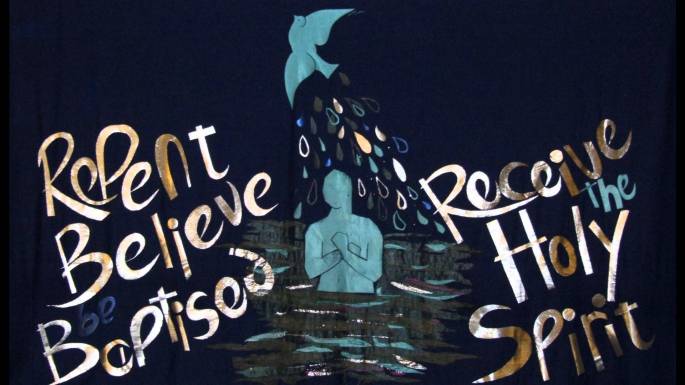
Then Peter said to them, "Repent, and let every one of you be baptised in the name of Jesus Christ for the remission of sins; and you shall receive the gift of the Holy Spirit. For the promise is to you and to your children, and to all who are afar off, as many as … Continue reading Repentance and Baptism Not Symbolic

Is Baptism Part of Salvation?

The problem here is a western mindset trying to understand and take apart something that was never meant to be separated. Baptisms were always done as part of a conversion in the bible. For example, when Philip preaches to the Ethiopian eunuch what is his response to the gospel? "Here is some water. What would … Continue reading Is Baptism Part of Salvation?

Does the Grace in Ephesians 2:8-9 Exclude Baptism?

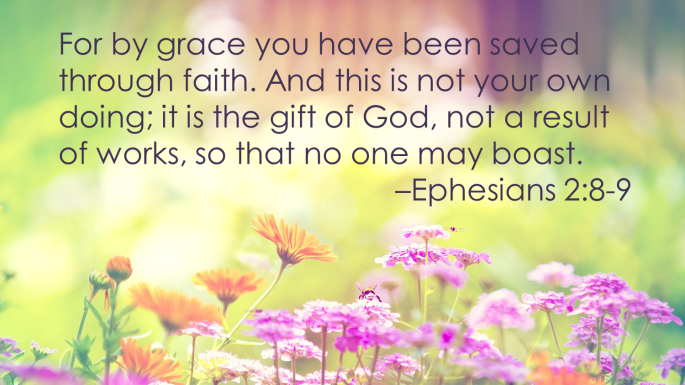
In one of the most thrilling statements about salvation, Paul penned these words in his letter to the church at Ephesus. For by grace have you been saved through faith; and that not of yourselves, it is the gift of God; not of works, that no man should glory (Ephesians 2:8-9). The passage is one … Continue reading Does the Grace in Ephesians 2:8-9 Exclude Baptism?