Yeshua the Son of Man – Bar Enosh

By Jeff A. Benner The phrase "Son of man" appears multiple times in the Old and New Testaments (-+90). In the Old Testament, the Hebrew phrase אדם בן (ben adam) translates as "son of man" and is used for a person, any named or unnamed person. In  the  Greek  New  Testament,  the  phrase  "son  of  … Continue reading Yeshua the Son of Man – Bar Enosh

Baptism According to the Second-Century Christians

Early Christian writings from the second century consistently depict water baptism as the moment of sin remission and regeneration. Figures like Ignatius, Barnabas, and Irenaeus emphasize baptism's significance in gaining spiritual rebirth and community with Christ, aligning with biblical teachings and opposing alternative interpretations on redemption and faith.

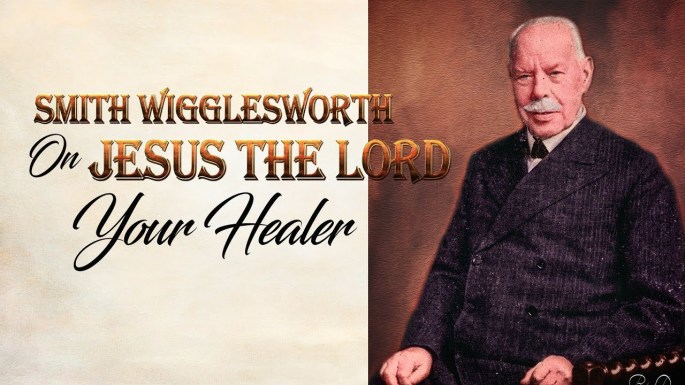
Smith Wigglesworth – Overview Of Ministry

Smith Wigglesworth, known as the Apostle of Faith, was an impactful evangelist who performed miraculous healings and even raised the dead. Born in 1859, he experienced a profound conversion and pursued God relentlessly. His dynamic ministry emphasized faith, purity, and holiness. Wigglesworth's life exemplified godly authority, and he believed in aggressive faith, leaving a legacy that inspires future ministries aimed at revival.

Healing and the Atonement using Key Passages of Scripture

The article by Anthony D. Palma explores the relationship between divine healing and the Atonement through Scripture. It highlights Isaiah 53:4, which indicates that Christ bore our sicknesses and pains. The New Testament quotations affirm this connection, emphasizing healing as part of the redemptive work of Christ. Though the Atonement primarily addresses sin, it also encompasses physical healing, reflecting a holistic salvation for humanity.

Healing in the Atonement

The 53rd chapter of Isaiah emphasizes the sacrifice of Christ, linking spiritual salvation to physical healing. The author argues that Jesus' atonement addresses both sin and sickness, promoting faith as essential for healing. Miracles are accessible to all believers, not just ministers, and divine healing aligns with God's will. The text asserts that sickness is of the devil, and believers must actively resist it while embracing God's healing promises.

The Coexistence of Sovereignty and Free Will – Calvinism Series

God is sovereign, but that doesn’t lead to the philosophy of St. Augustine or John Calvin. God chooses to limit His sovereignty in the case of man’s free will. He has established a framework of natural laws and spiritual laws. His natural laws include the laws of physics. Everything in the universe obeys God’s natural … Continue reading The Coexistence of Sovereignty and Free Will – Calvinism Series

Free Will & the Early Church – Calvinism – Part 11

We stated in the introduction that Calvinism has its roots in the views of St. Augustine. This man was also largely responsible for the acceptance of amillennialism into mainstream Christianity, and the Roman Catholic doctrine that the Catholic Church is now God’s Kingdom on earth. Prior to his conversion in the fourth century, Augustine was … Continue reading Free Will & the Early Church – Calvinism – Part 11

God’s Will – Calvinism – Part 7

God’s will is that believers abstain from fornication. Paul wrote, “For this is the will of God, your sanctification: that you should abstain from sexual immorality; that each of you should know how to possess his own vessel in sanctification and honor, not in passion of lust, like the Gentiles who do not know God; that no … Continue reading God’s Will – Calvinism – Part 7

The Power of the Gospel – Calvinism Series – Part 8

The idea that God gives a mystical enlightenment only to a preordained number of individuals is completely foreign to the Scriptures, and to God’s integrity. Yes, the Spirit draws people to God. But, many people resist the Spirit. The power that leads people to repentance and experiencing the grace of God, is not mystical at … Continue reading The Power of the Gospel – Calvinism Series – Part 8

Irresistible Grace – Calvinism – Part 5

Grace According to CalvinistsCalvinists do not deny that God’s grace is given to the non-elect. Everything good is from God. Jesus said that God makes the sun to shine on both the wicked and righteous. Everything good in this world is because of the grace of God. However, Calvinists distinguish between what they call “common … Continue reading Irresistible Grace – Calvinism – Part 5