Tertullian’s and the Pristine Faith Rule (PFR)

Very early in Church history there arose great controversies as heresies sprung up and attempted to invade the Church. Typically, someone in one of the local churches would come up with a new doctrine, and gain a following. Many such people arose, and were rapidly ejected from the Apostolic churches. But, having gained a following, … Continue reading Tertullian’s and the Pristine Faith Rule (PFR)

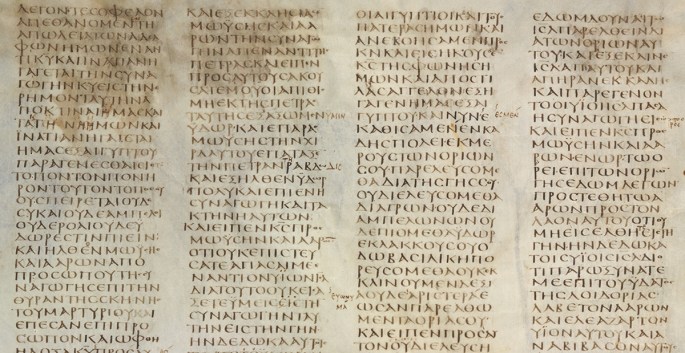
Did You Know That Ancient Greek Did Not Have Punctuation?

Ancient Greek, particularly during the New Testament period, lacked a formal punctuation system and spaces between words. Written in capital letters, texts relied on reader comprehension. The introduction of punctuation occurred centuries later, leading to varied interpretations in translations, which reflects translators' biases in rendering biblical texts with modern punctuation conventions.

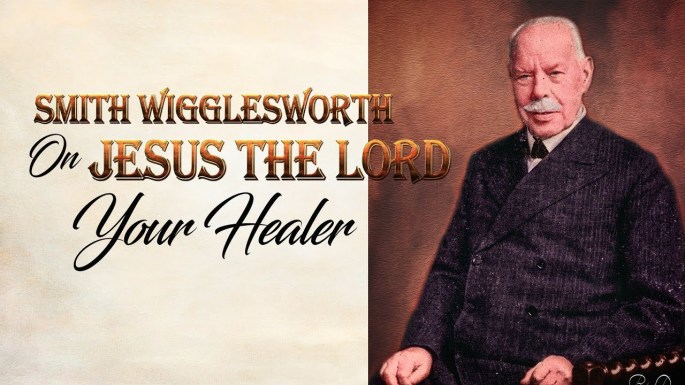
Smith Wigglesworth – Overview Of Ministry

Smith Wigglesworth, known as the Apostle of Faith, was an impactful evangelist who performed miraculous healings and even raised the dead. Born in 1859, he experienced a profound conversion and pursued God relentlessly. His dynamic ministry emphasized faith, purity, and holiness. Wigglesworth's life exemplified godly authority, and he believed in aggressive faith, leaving a legacy that inspires future ministries aimed at revival.

Healing and the Atonement using Key Passages of Scripture

The article by Anthony D. Palma explores the relationship between divine healing and the Atonement through Scripture. It highlights Isaiah 53:4, which indicates that Christ bore our sicknesses and pains. The New Testament quotations affirm this connection, emphasizing healing as part of the redemptive work of Christ. Though the Atonement primarily addresses sin, it also encompasses physical healing, reflecting a holistic salvation for humanity.

Healing in the Atonement

The 53rd chapter of Isaiah emphasizes the sacrifice of Christ, linking spiritual salvation to physical healing. The author argues that Jesus' atonement addresses both sin and sickness, promoting faith as essential for healing. Miracles are accessible to all believers, not just ministers, and divine healing aligns with God's will. The text asserts that sickness is of the devil, and believers must actively resist it while embracing God's healing promises.

Progressive Dispensationalism 101 The Basics

Copyright © Tim Warner METHOD OF BIBLICAL INTERPRETATIONProgressive Dispensationalism maintains the literal (normal) method of biblical interpretation as the default hermeneutic. Progressive Dispensationalists also rely heavily on the New Testament writers' interpretations and applications of Old Testament prophecy. This is more than simply applying a 'model' of interpretation based on a 'style' established by the … Continue reading Progressive Dispensationalism 101 The Basics

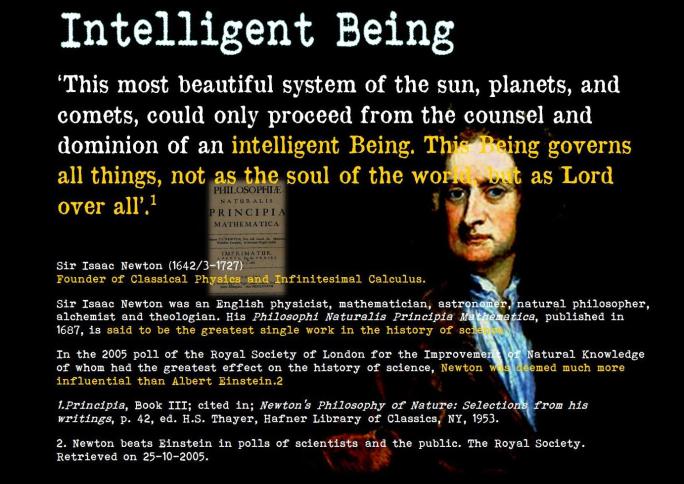
8. The Christology of Sir Isaac Newton – The Evolution of God

Sir Isaac Newton is acknowledged as one of the most brilliant physicists, historians, and mathematicians of all time. Yet he has been scorned and maligned by Christian theologians for his unorthodox theological beliefs. As professor at Trinity College, Cambridge, Newton was required to be a member in good standing of the Church of England. There … Continue reading 8. The Christology of Sir Isaac Newton – The Evolution of God

Faith & Works – The Misconceptions Regarding Baptism

Physical vs. Spiritual Dichotomy — Dualism One of the concepts of Greek mysticism that invaded Christianity, and continues to grip Christian thinking to some extent today, is the idea of a sharp dichotomy between the "spiritual" and the "physical." "Spirit" is seen as good, and "matter" is seen as inherently corrupt. This concept is typically … Continue reading Faith & Works – The Misconceptions Regarding Baptism

What is Repentance?

What is Repentance? It's an excellent question, and it is a subject on which there is considerable misunderstanding. Some believe repentance is feeling sorry for what I've done wrong. And that is a fine thing, but it's not the same as repentance. Others think it is about crying loudly and and telling someone all your … Continue reading What is Repentance?

Myths and Excuses about Gods Healing Power

It is easier to explain away why we dont receive divine healing when we pray for it. We all tend to make excuses for why people do not receive their divine healing. The excuses have been propagated over the decades by Christians to try and explain away what has happened and why. Healing is something … Continue reading Myths and Excuses about Gods Healing Power